May 11, 2026
If you've ever tried a lighter or specialty coffee and thought, "This tastes a little weak," you're not alone.
It's one of the most common reactions when switching from darker, more traditional supermarket coffees to lighter, more nuanced roasts. But in most cases, that perception is all about how we experience flavor. It doesn't necessarily have to do with strength.
What tastes "weak" at first is often something else entirely.
Strength vs. Flavor: What Are You Really Tasting?
When people describe coffee as "strong," they're often referring to bold, intense flavors. These flavors tend to linger on the palate and feel heavy or smoky.
Darker roasts tend to deliver exactly that. The roasting process brings out deeper, more bitter notes that create a sense of weight and intensity in the cup.
Lighter-to-medium roasts, on the other hand, are designed to highlight different characteristics: brightness, clarity>, and more delicate flavor notes. Instead of bold bitterness, you might notice hints of fruit, citrus, florals, or soft sweetness.
Because these flavors are lighter and more nuanced, they can sometimes be interpreted as "weaker," even when the coffee itself is brewed at the same strength.
Why Lighter Coffees Can Feel Less Intense
There are a few reasons why specialty coffee can feel less bold at first sip.
First, lighter roasts retain more of the bean's original character. That often means less of the heavy, roasted flavor that people associate with "strong" coffee.
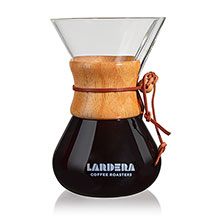
Second, lighter coffees typically have a cleaner body, especially when brewed with methods like
pour-over. Without the heavier oils and bitterness of darker roasts, the cup can feel lighter overall.
Finally, many specialty coffees emphasize clarity over intensity. Instead of one dominant flavor, you get a range of subtler notes, which can take a little time to recognize and appreciate.
Another factor is acidity, which plays a major role in how we perceive coffee. Lighter roasts often have a brighter, more noticeable acidity that can come across as crisp or slightly tangy. For some, especially those used to darker roasts, this brightness can feel like a lack of depth, when it's really just a different balance of flavors.
Brewing Method Matters More Than You Think
If your coffee truly tastes thin or underwhelming, the issue may be how your beans are brewed.
Different brewing methods extract flavor in different ways:
-
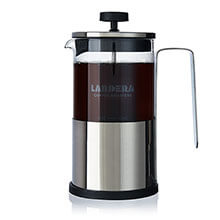
French press produces a fuller-bodied, heavier cup
-
Pour-over highlights clarity and brightness
-
Drip machines offer a more balanced middle ground
If you're used to bold, heavy coffee, switching to a method that emphasizes body, like a
French press, can make a noticeable difference.
This is also a natural place to experiment with your setup. A consistent grind (using a
burr grinder) and proper water control can dramatically improve how much flavor you get from your coffee.
Grind Size, Ratio, and Extraction
Sometimes what tastes like "weak" coffee is actually under-extraction.
If the grind is too coarse, or if there isn't enough coffee relative to water, the result can be a thin, flat cup. Adjusting your brewing variables can help bring out more depth and balance.
A few small changes can make a big difference:
- Use slightly more coffee per cup
- Adjust to a finer grind size (depending on your method)
- Make sure your water is hot enough (but not boiling)
- Measure your ratio with a scale for consistency
These tweaks help ensure you're getting the full flavor potential from your beans.
Changing Your Mindset: Not Less, Just Different
One of the biggest shifts when moving into specialty coffee is learning to think about flavor differently.
Instead of focusing on intensity alone, specialty coffee invites you to notice nuance: the brightness of citrus, the softness of floral notes, the balance between sweetness and acidity.
At first, this can feel subtle. But over time, those nuances become easier to recognize, and eventually more enjoyable to sip.
What once seemed "weak" can start to feel layered, complex, and far more interesting than a single-note, heavily roasted cup.
"Weak" Is Sometimes Just a Contrast Effect
Part of what makes coffee taste "weak" can come down to contrast. If you're used to drinking darker, more intense roasts every day, your palate gets used to those bold, smoky flavors. When you switch to a lighter, more delicate coffee, the difference can feel dramatic.
It's similar to switching from a very sweet dessert to a lightly sweet one. The second option may taste mild at first, even if it's well-balanced on its own. Given a little time, your palate begins to adjust, and those subtler flavors become easier to recognize and enjoy.
Finding Your Ideal Cup
If you prefer a bolder profile, that's completely valid. A darker roast is probably your go-to. It's important to remember that coffee is personal, and there's no single "right" way to enjoy it.
But if you're exploring lighter or specialty coffees, a few adjustments in brewing method or ratio (even mindset) can completely change the experience.
Rather than making your coffee stronger, maybe it's all about learning how to bring out the kind of flavor you enjoy most.