January 21, 2026
There's something uniquely satisfying about taking that first sip of a freshly brewed cup of coffee. It's steaming, aromatic, and (if done well) balanced. But as the coffee cools, you might notice the flavors shift. Sometimes subtle, other times dramatic. One of the most common complaints among home brewers is that their coffee
tastes bitter, sharp, or off as it moves from hot to warm.
Why does that happen? And more importantly, can you learn to appreciate coffee at different temperatures, instead of just drinking it piping hot?
Let's explore how temperature affects flavor perception, what's happening chemically as coffee cools, and how you can adjust your brew
and your expectations to enjoy every stage of your cup.
What Happens to Coffee Flavor as It Cools
When coffee is first brewed, it's usually near boiling, meaning anywhere from about 195–205°F (90–96°C).
At this temperature:
• Aromas are most volatile (so you
smell more)
• The sweetness and acidity balance is at its peak
• Fatty oils are more perceptible
As the cup cools, however:
• Aromatic compounds dissipate
• Acidity becomes more noticeable
• Bitter compounds become more perceptible
• The body and texture feel heavier
This progression is
not a flaw in your coffee! It's just how extraction and human sensory perception work together.
Temperature changes the way our taste buds register sweetness, acidity, and bitterness, so the
same liquid can feel dramatically different over time.
How to Appreciate Coffee at Three Key Temperature Stages
1. Hot: Bright, Sweet, and Aromatic
This is the stage most people aim for. Your mouth and nose pick up on the brightest notes like floral, fruity, nutty, depending on the bean and roast. This is the moment to savor the
intended profile of your coffee, like what the roaster envisioned.
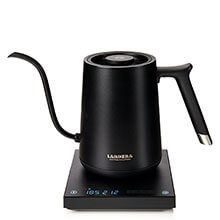
Pro tip: Brew with water at the correct temperature using a
Smart Electric Kettle, which lets you dial in just the right heat. That precision helps maximize aromatic and sweet notes in your first sips.
2. Warm: Balanced and Rounded
As your coffee cools into the warm range, roughly 140–160°F (60–71°C), sweetness can mellow out and body becomes more noticeable. Some acidic brightness may soften, giving way to a
smoother, richer sensation.
This temperature is great for sipping slowly and with intention.
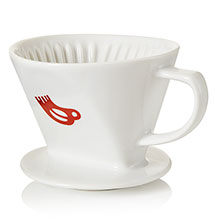
Pro Tip: Using a good brewer like a
Trapezoid Dripper or
French Press can help accentuate body and texture, making this warm stage especially enjoyable.
3. Cool: Bitter Notes Rise
As coffee cools further, certain compounds that were balanced at higher temps become more perceptible, especially bitter and tannic flavors. This is
not always pleasant, but it's part of how coffee chemistry works.
This is also where many people stop paying attention. But, with a little curiosity, it can be interesting!
Instead of viewing bitterness as a flaw, understand it as a
temperature-dependent shift. At cooler temps, sweetness and acidity are muted, while bitterness and dryness become louder on the palate.
Why Coffee Gets Bitter as It Cools (Scientifically Speaking)
Coffee contains hundreds of aromatic and flavor compounds. Many of them are only volatile (aroma-active) at higher temperatures.
As the coffee cools:
• Volatile aromatics dissipate
• Fatty acids solidify slightly
• Astringent compounds become more dominant
• Sweet and acidic components become less pronounced
This is supported by research showing that chemical perception changes drastically with temperature. That's why a cup of coffee can
taste like two completely different drinks depending on how hot it is.
How To Enjoy Coffee at Different Temperatures
You don't have to love every stage of cooling, but you
can appreciate what each offers:
Hot Stage
• Focus on aroma
• Notice the first fleeting sweetness
• Compare beans or roasts by smell first
Warm Stage
• Enjoy texture and body
• Take slower sips
• Pair with breakfast foods! The balance makes for great food matching
Cool Stage
• Observe how bitterness becomes more pronounced
• Try adding a little milk or cream, as it can round out harsher notes
• Notice subtleties you didn't catch when it was hot
If you enjoy exploring flavor, this stage can reveal layers you never noticed before.
Brew Tips to Manage How Coffee Cools
While cooling itself is natural, you
can influence how quickly flavor shifts happen.
Preheat Wisely
A cold mug or cup drastically lowers the initial temperature.
Gear tip: Use a
Smart Electric Kettle to pour hot water into your mug first to pre-warm it. (Dump the water before adding in your brewed coffee.) This helps your coffee stay in that sweet hot → warm window longer.
Control Surface Area
A wider cup cools faster; a taller, narrower one stays warmer. This choice affects how long your coffee sits in each flavor stage.
Use Better Extraction
Proper grind size and ratio make bitterness less noticeable overall.
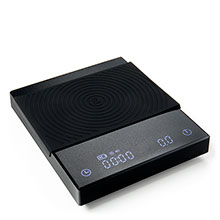
Gear tip: Pair a
Coffee Scale & Timer with consistent techniques to hit balanced extraction, which makes transitions between hot and warm smoother.
When Cooling Can Be Good And How to Embrace It
Believe it or not, some coffee lovers
prefer their coffee partly cooled.
Here's why:
•
Some roast profiles (light to medium) reveal hidden floral or fruit notes as they cool
•
Body and texture change: cool coffee often feels thicker or smoother
•
Pairing potential: cool to warm coffee can match certain foods better than piping hot
If you've ever thought "this tastes different when it's not hot," you're not imagining it! You're experiencing a real sensory shift.
Appreciate Every Temperature
The truth is simple: coffee doesn't have just
one best temperature. It invites you to taste it at multiple points in its warmth journey.
Next time you pour a cup, slow down a little. Notice how the flavor evolves from hot to warm to cool. You might be surprised at how much you can enjoy
and learn from each stage of your coffee's life.
Whether you're brewing with precision gear or just savoring your morning cup, understanding temperature gives you a richer relationship with something you drink every day.