January 26, 2026
If you've ever browsed coffee descriptions and seen terms like
light, medium, or
dark roast, you already know that roast level plays a major role in how coffee tastes. But those labels can be subjective. What one roaster calls "medium," another might describe as "medium-dark."
That's where the
Agtron Coffee Color Number comes in.
The Agtron scale offers a standardized, objective way to measure coffee roast color. It gives roasters and coffee drinkers a shared language to talk about roast level with clarity and consistency. Whether you're curious about how roast level affects flavor or simply want to understand coffee labels more deeply, the Agtron number is a helpful place to start.
What Is the Agtron Coffee Color Number?
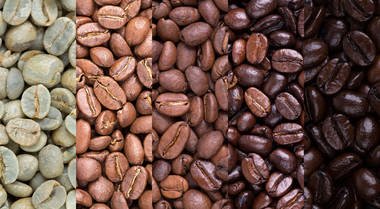
The Agtron Coffee Color Number is a numerical system used to describe how light or dark a coffee roast is based on color. The measurement is taken using a specialized device that analyzes how much light reflects off roasted coffee beans or ground coffee.
–
Higher Agtron numbers indicate lighter roasts
–
Lower Agtron numbers indicate darker roasts
Because color closely correlates with roast development, the Agtron scale helps create an objective reference point that removes some of the guesswork from roast descriptions.
Why Roast Color Matters
Roast color isn't just cosmetic! It directly influences how coffee tastes, smells, and feels on the palate. As coffee beans roast, chemical reactions transform sugars, acids, and aromatic compounds. The longer and darker the roast, the more those compounds change.
In general:
– Lighter roasts preserve more of the bean's origin character
– Medium roasts balance acidity, sweetness, and body
– Dark roasts emphasize roast-driven flavors like chocolate, smoke, and richness
The Agtron number gives us a clearer way to pinpoint
where on that spectrum a coffee falls.
Agtron Coffee Color Number Ranges Explained
Below is a breakdown of the Agtron ranges from lightest to darkest, along with examples from our own roster to help bring the scale to life.
95: Very Light Roast
Very light roasts are pale and minimally roasted. These coffees tend to be vibrant and floral but are less common in everyday offerings.
Flavor profile:
– Bright acidity
– Pronounced origin characteristics
– Light body
While we don't currently offer coffees in this range, understanding it helps clarify how much flavor evolves as the roast deepens.
85: Light Roast
Light roasts in this range emphasize brightness and origin notes, with uplifting acidity and a crisp profile.
Example:
Junin Natural (Agtron ~84) — This coffee lives in the light roast range, highlighting refreshing tropical nuances while preserving much of the bean's natural character. It's ideal for pour-over brewing or lighter brew styles where clarity matters.
Flavor profile:
– Bright acidity
– Clean, crisp finish
– Lively, expressive notes
75: Moderately Light Roast
These coffees offer a balance between brightness and early roast development, with acidity and sweetness in harmony.
Flavor profile:
– Balanced acidity and sweetness
– Moderate body
– Good versatility across brewing methods
65: Light-Medium Roast
Medium roasts tend to be crowd-pleasers: a balanced, well-rounded profile with moderate body and aroma but not overwhelmingly dominated by roast flavors.
Example:
Catuai Honey (Agtron ~62) — Falling right within the medium range, this coffee showcases a balanced profile with notes of clementine and cranberries, plus approachable body, making it a reliable everyday drinker.
Flavor profile:
– Rounded body
– Rich sweetness
– Mellow acidity
55: Medium Roast
At this level, roast influence becomes more noticeable, with increasingly toasted or caramelized notes.
Flavor profile:
– Deeper sweetness
– Chocolatey or nutty accents
– Fuller body
Coffees in this range work well with milk-based drinks or brewing methods that favor richer extraction.
45: Medium-Dark/Full City Roast
This range brings bold flavors and a pronounced roast character.
Example:
French Roast (Agtron ~45) — Classic darker roast territory. Bold, rich, and robust flavors emerge with lower acidity and deeper, toasted notes — perfect for those who love a full-flavored cup.
Flavor profile:
– Strong, robust roast notes
– Lower acidity
– Full mouthfeel
35: Dark Roast
The deepest roasts produce smoky, intensely roasted flavors. The flavors in this roast lean overwhelmingly smoky and bittersweet. While intense and distinctive, they're also some of the most impacted by roast over origin.
Flavor profile:
– Smoky or bittersweet notes
– Very low acidity
– Hefty body
This range isn't represented in our current lineup but is an important part of the broader roast landscape.
25: Very Dark Roast
Coffees in the 25 Agtron range represent the darkest end of the roasting spectrum. At this level, roast character dominates, with origin-specific flavors largely giving way to deep, smoky intensity. Acidity is extremely low, and the cup tends to feel heavy and bold, often appealing to those who enjoy strong, assertive coffee flavors or add milk and sugar.
Flavor profile:
– Minimal acidity
– Intense roast flavors
– Smoky, charred, or ashy notes
– Heavy body and lingering aftertaste
Overall, very dark roasts are best suited for drinkers looking for boldness and intensity in a powerful cup that stands up well to milk, sugar, and hearty brewing methods.
Agtron Numbers and Real-World Taste Preferences
It's important to remember that the "best" Agtron number is entirely personal. Some coffee lovers crave the bright complexity of higher Agtron light roasts, while others appreciate the comforting depth and boldness of darker roasts.
Rather than chasing a specific number, think of the Agtron scale as a
road map that helps you:
– Predict how a coffee will taste before brewing
– Choose coffees tailored to your preferred brew method
– Understand why certain coffees pair better with milk, food, or brewing styles
For instance, lighter offerings like
Junin Natural are excellent candidates for manual methods like a
pour-over or
French Press, which highlight clarity and nuance, while darker roasts like
French Roast excel in traditional espresso brews where boldness stands up to milk and sweetness.
How Temperature & Brewing Choices Fit In
Roast level can also guide your brewing approach:
– Lighter roasts often benefit from slightly higher brewing temperatures and finer grinds to extract nuanced flavors
– Medium roasts are forgiving and versatile
– Dark roasts can over-extract more quickly, so cooler water or coarser grinds help maintain balance
Understanding a coffee's place on the Agtron scale makes it easier to match your brewing variables to the flavor profile you want to achieve.
A Clearer Way to Talk About Coffee
The Agtron Coffee Color Number takes something subjective like roast level and gives it structure. While it doesn't replace personal preference or tasting notes, it adds clarity to conversations about coffee and helps bridge the gap between roasters and drinkers.
Whether you're exploring lighter roasts like
Junin Natural for expressive, nuanced cups, savoring balanced medium roasts like
Catuai Honey, or diving into bold territory with
French Roast, the Agtron scale offers a deeper appreciation for how roast color shapes every cup.
Coffee is complex, but understanding tools like the Agtron scale makes that complexity easier
and more enjoyable to explore.