March 13, 2026
When a cup of coffee doesn't taste quite right, most people blame the beans. Maybe they're too dark, too light, too bold, too flat. But what many coffee drinkers don't realize is that the brewing method itself plays just as large a role in flavor as the coffee you choose.
The same coffee can taste dramatically different depending on how it's brewed. Body, brightness, sweetness, and even perceived bitterness are all shaped by the way water meets ground coffee. From immersion to pour-over to automatic drip, your coffee maker quietly determines what ends up in your cup.
If you've ever wondered why your friend's French press tastes richer than your drip machine brew, even when using the same beans, the answer might just lie in extraction, filtration, and contact time.
Immersion, Pour-Over, and Pressure: What's the Difference?
At the simplest level, coffee makers fall into a few categories.
Immersion brewing, like a French press, fully submerges coffee grounds in water for a set amount of time before filtering them out.
Pour-over brewing slowly passes water through coffee grounds and a filter, extracting flavor as it flows downward.
Automatic drip machines automate the pour-over concept, introducing water to the grounds in a controlled cycle.
Each method extracts different compounds at different rates, and
that's what changes the flavor profile.
French Press: Full-Bodied and Bold
A French press produces a rich, heavy-bodied cup. Because it uses a metal mesh filter instead of paper, more natural coffee oils remain in the brew. Those oils contribute to a fuller mouthfeel and deeper flavor.
Immersion brewing also allows for more complete extraction, which can enhance bold, chocolatey, and nutty notes. However, it can also introduce a bit of sediment and intensity if the grind is too fine.
If you enjoy a weighty, robust cup, this is where a quality
French press and a consistent burr
coffee grinder make all the difference. A coarse, even grind (similar to sea salt or breadcrumbs) keeps flavors balanced and prevents over-extraction.
Pour-Over: Clean, Bright, and Nuanced
Pour-over brewing is often described as producing a "cleaner" cup. That's largely due to paper filtration, which removes many of the oils that contribute to a heavier body.
The result is greater clarity, brighter acidity, and more distinct flavor notes.
If your coffee has subtle citrus, floral, or fruit-forward characteristics, a pour-over setup (including a
pour over dripper,
paper filters, and a precision
gooseneck kettle) can highlight those nuances beautifully. Control over water flow and temperature gives you the ability to fine-tune extraction, making this method a favorite among those who enjoy dialing in their brew.
And if you're on the go but still want the pour-over experience, a
Pour Over Single is a good substitute.
Automatic Drip: Balanced and Convenient
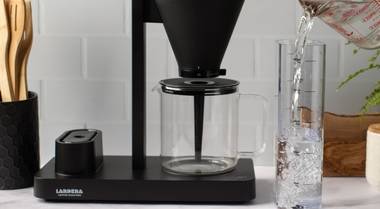
Automatic drip machines offer consistency and ease. They sit somewhere between French press and manual pour-over in terms of body and clarity.
A good drip machine distributes water evenly and maintains stable temperature, producing a balanced cup with moderate body. While it doesn't offer as much manual control, it delivers reliability, especially if you find your mornings to be consistently busy.
Fresh coffee filters and the right coffee-to-water ratio (a kitchen
scale helps here) can significantly improve results, even with a standard drip setup.
Why Filter Material Matters More Than You Think
One of the biggest flavor differences between coffee makers comes down to the filter.
Paper filters trap oils and fine particles, leading to a lighter body and cleaner finish. Metal filters allow more oils to pass through, resulting in a richer, heavier mouthfeel.
Neither is "better", necessarily. They simply create different experiences. If your coffee tastes heavier than you'd like, switching filter types may completely transform your cup without changing the beans at all.
Grind Size and Water Control: The Quiet Game-Changers
Even the best coffee maker can't compensate for inconsistent grind size or incorrect water temperature.
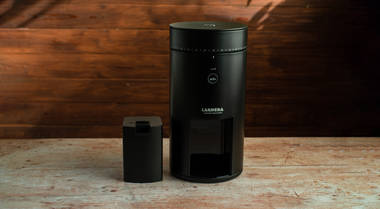
A burr coffee grinder ensures uniform grounds, which leads to even extraction. Uneven particles can cause bitterness or sourness because smaller pieces extract faster than larger ones.
Water temperature matters too. Water that's too hot can pull excessive bitterness, while water that's too cool can leave your coffee tasting weak or underdeveloped. A temperature-controlled kettle gives you control over this critical variable.
These small details often make a bigger difference than switching to a completely different bean.
Choosing the Flavor Experience You Want
Your coffee maker not only brews coffee. It shapes it.
If you love bold, heavy, and full-bodied cups, immersion brewing may be your ideal match. If you prefer bright, layered flavors with clean clarity,
pour-over could become your go-to. And if consistency and ease are top priorities, a well-maintained drip machine delivers dependable balance.
The beauty of coffee is that you don't have to change your beans to change your experience. Sometimes, all it takes is changing the tool you brew with.
While the process of collecting coffee gadgets may be fun, the process should also be about discovering the version of your favorite coffee that you enjoy most.