June 09, 2026
Coffee is at its best when it's fresh.
From the moment coffee is roasted, it begins to slowly lose its aroma and flavor. While you can't completely stop that process, how you store your coffee can make a noticeable difference in how long it stays vibrant and enjoyable.
We're often asked questions like:
Can you freeze coffee? Should you keep it in the original bag? Does it need to be airtight?
The short answer: storage matters more than you might think, and a few common habits can actually do more harm than good.
What Happens to Coffee Over Time
Freshly roasted coffee contains aromatic compounds that give it its flavor and complexity. Over time, these compounds begin to break down or escape, especially when exposed to air, light, heat, and moisture.
This is why coffee that's been sitting out too long can start to taste flat, dull, or stale.
Good storage helps slow this process, preserving the flavors you actually want to taste in your final brew.
The Biggest Enemies of Fresh Coffee
When it comes to storage, there are four main factors to watch out for:
-
Air (oxygen) – causes coffee to turn stale more quickly
-
Light – can degrade flavor over time
-
Heat – speeds up the loss of aroma
-
Moisture – can damage beans and affect taste
Keeping your coffee away from these elements is the foundation of proper storage.
Airtight Storage Is Your Friend
Air exposure is one of the fastest ways for coffee to lose its freshness.
Even small amounts of oxygen can gradually strip away aroma and flavor. That's why storing your coffee in a truly
airtight container is one of the most important steps you can take.
Not all containers are created equal. Some standard kitchen containers or bags may look sealed but still allow small amounts of air to pass through.
For best results, use:
- A container with a tight, reliable seal
- A high-quality zipper bag
- A vacuum-sealed container (if available)
The less air your coffee is exposed to, the longer it will stay fresh.
Are Original Coffee Bags Enough?
It's a common assumption that coffee should be stored in the bag it comes in, but this isn't always ideal.
Many coffee bags include a
degassing valve, which allows carbon dioxide from freshly roasted beans to escape. While this is important for maintaining the quality of the coffee early on, it also means the bag is often
not fully airtight.
Over time, this allows small amounts of air to enter, which can lead to faster staling.
If you plan to finish your coffee quickly, the original bag is usually fine. But for longer storage, transferring your beans to a truly airtight container will help preserve their flavor.
Should You Freeze Coffee?
Freezing coffee is one of the most debated storage methods, and perhaps also one of the most misunderstood.
While it might seem like a good way to "lock in freshness," freezing can introduce a few problems.
First, most home freezers expose coffee to
moisture and temperature fluctuations, especially when containers are opened and closed. This can affect both flavor and texture.
Second, unless coffee is stored in a completely airtight, moisture-proof environment, it can absorb odors from surrounding foods.
Finally, repeated movement in and out of the freezer can cause condensation to form, which can damage the beans (think about when you've got a bag of frozen fruit that develops a layer of frost over time).
For these reasons, freezing is generally
not recommended for everyday storage, especially for smaller quantities like sample bags.
Where Should You Store Your Coffee?
We've talked a lot about what not to do when storing your beans. So what
should you do?
The best place to store coffee is
a cool, dark, and dry area at room temperature.
A pantry, cabinet, or drawer away from heat sources (like ovens or direct sunlight) is ideal.
Avoid:
- Countertops with direct sun exposure
- Cabinets above the stove
- Areas with fluctuating temperatures
Consistency is key. A stable environment helps maintain the coffee's flavor over time.
Whole Bean vs Ground Coffee Storage
If you have the option, storing coffee as
whole beans is always the better choice.
Whole beans retain their flavor longer because less surface area is exposed to air. Once coffee is ground, it begins to lose its freshness much more quickly.
If possible:
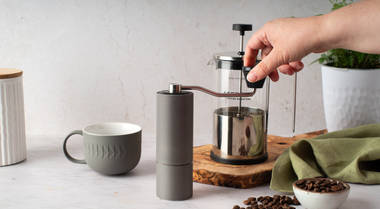
- Grind only what you need for each brew (investing in a high quality
burr grinder can help)
- Store the rest as whole beans in an airtight container
This small change can make a noticeable difference in flavor.
Simple Tips for Keeping Coffee Fresh
If you're looking for a quick checklist, here are the basics:
- Use a truly
airtight container
- Keep coffee
away from light, heat, and moisture
- Store it in a
cool, stable environment
- Avoid freezing for everyday use
- Grind just before brewing whenever possible
These habits go a long way toward preserving the quality of your coffee. And pairing fresh, properly stored coffee with the right brewing method—whether it's a
French press for a fuller-bodied cup or a
pour-over setup for more clarity—can make an even bigger difference in how your coffee tastes.
A Small Change That Makes a Big Difference
Coffee storage doesn't need to be complicated, but it does need to be intentional.
Something as simple as switching containers or moving your coffee to a better spot in your kitchen can noticeably improve how it tastes over time.
If your coffee has ever tasted flat sooner than expected, storage may be the reason. With a few small adjustments, you can make sure every cup tastes closer to how it was meant to.